
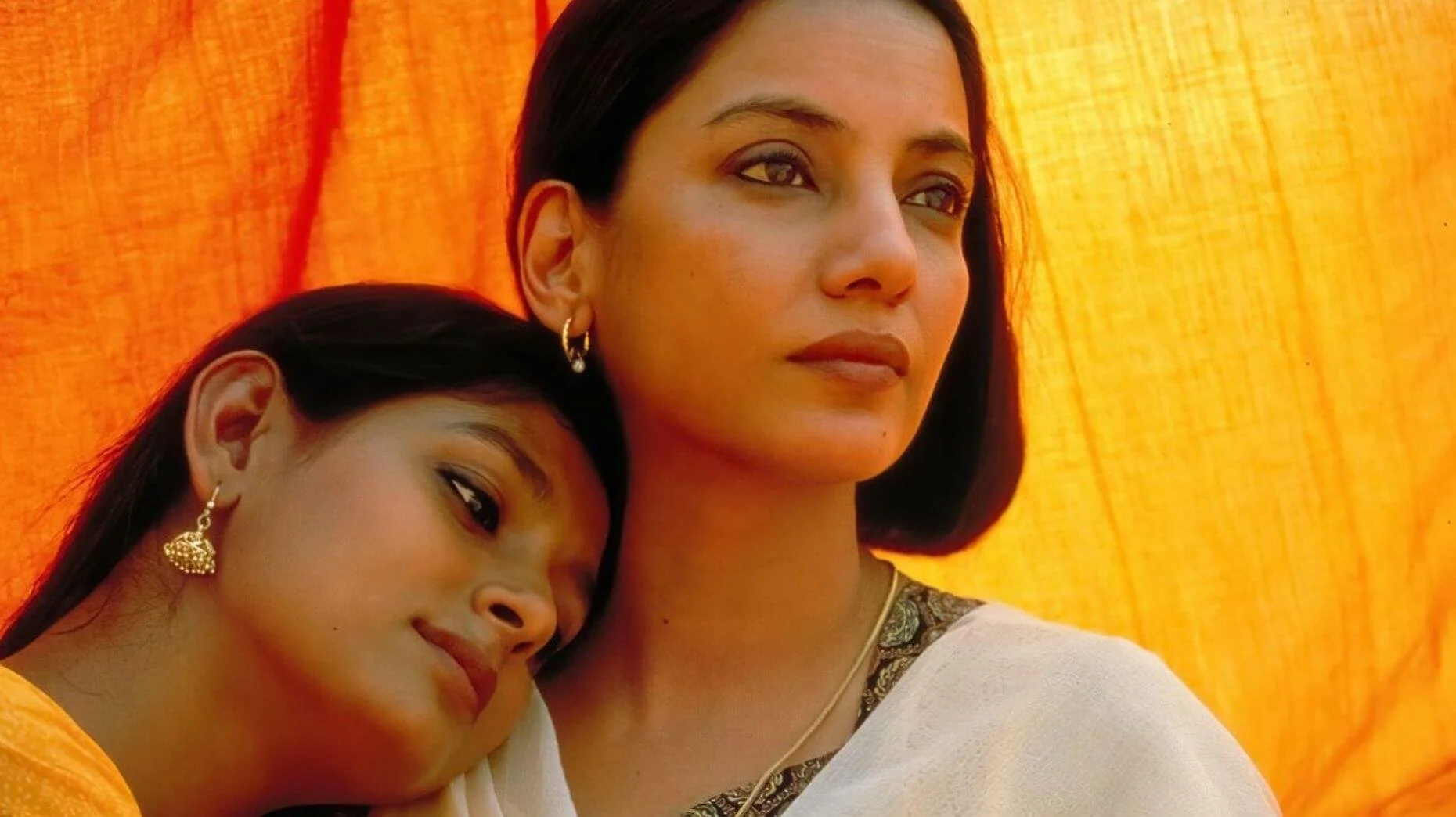
The Politics of Female Longing in Fire and “Lihaaf”
In the art of filmmaker Deepa Mehta and writer Ismat Chughtai, Farah Ahamed explores themes of patriarchy, infidelity, and a testament to the desires of women.
Another Day: Two Poems by Sukrita Paul Kumar
Poetry by Sukrita Paul Kumar: ‘the golden sheen on the pines / beckons the waves of the grey ocean / and the silver arrows dart forth in unison’
Time’s Cruel Tentacles: Two Poems by Abhilipsa Sahoo
Poems by Abhilipsa Sahoo: ‘Once, I was a little bird slowly blooming out of the warm embrace of the nest to learn the taste of first flight, believing that distance was proof of growth. Now I’m just plainly tired of being the burnt-out lamp on my parents’ windowsill’

Before It Gets Cold
Flash Fiction by Nagireddy R. Sreenath: ‘We don’t talk about the silence between us: the missed birthdays, the calls that went to voicemail, the distance that grew while neither of us looked directly at it.’
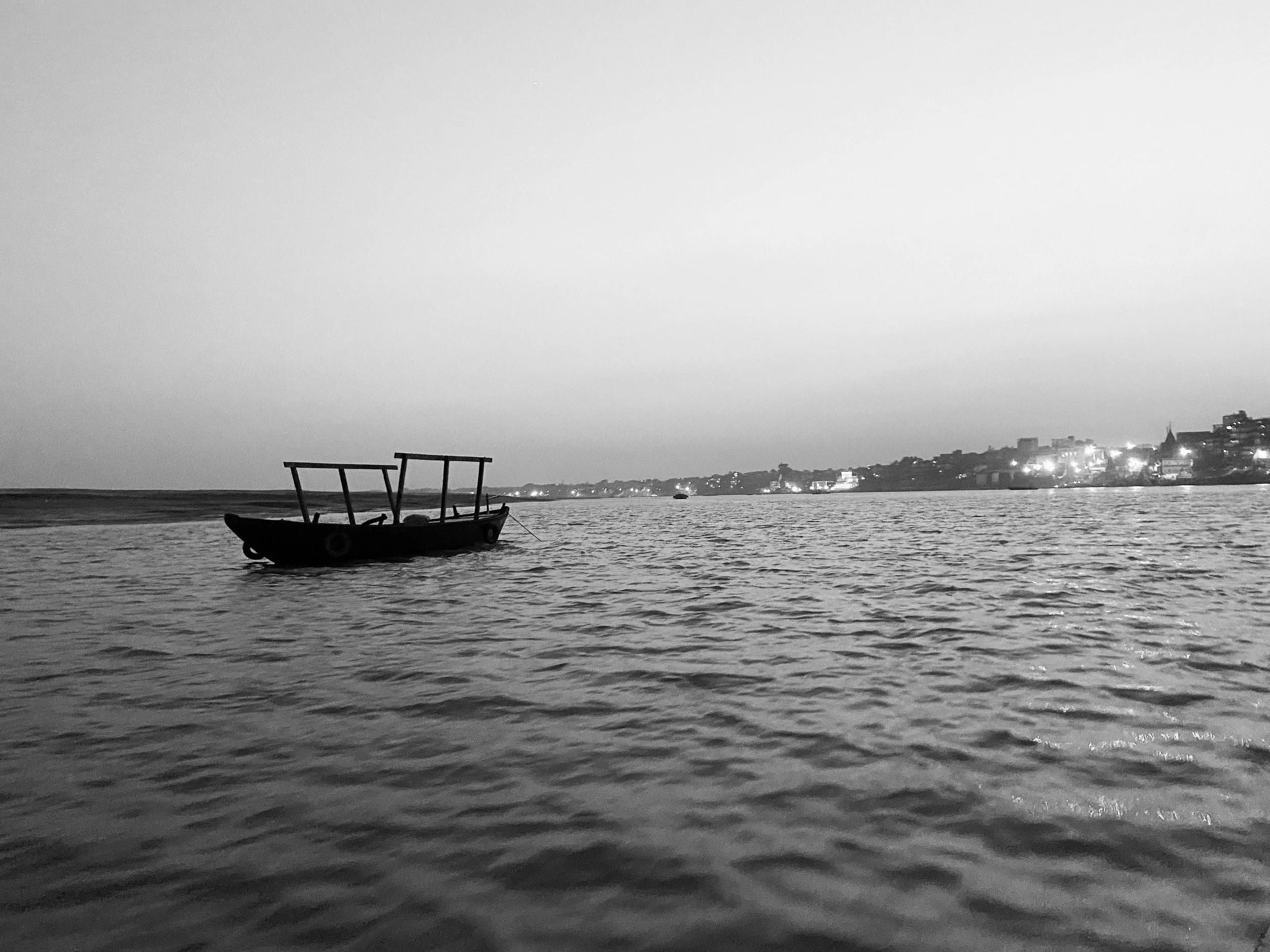
Against The Current
Short Story by Biswajit Chatterjee: ‘But this peculiarly-formed lad is an altogether different animal when he is in water. With his unfamiliar yet uncanny ability, he learns to handle the waves, the deadly undercurrents, the movement of the swells, the whirlpools.’
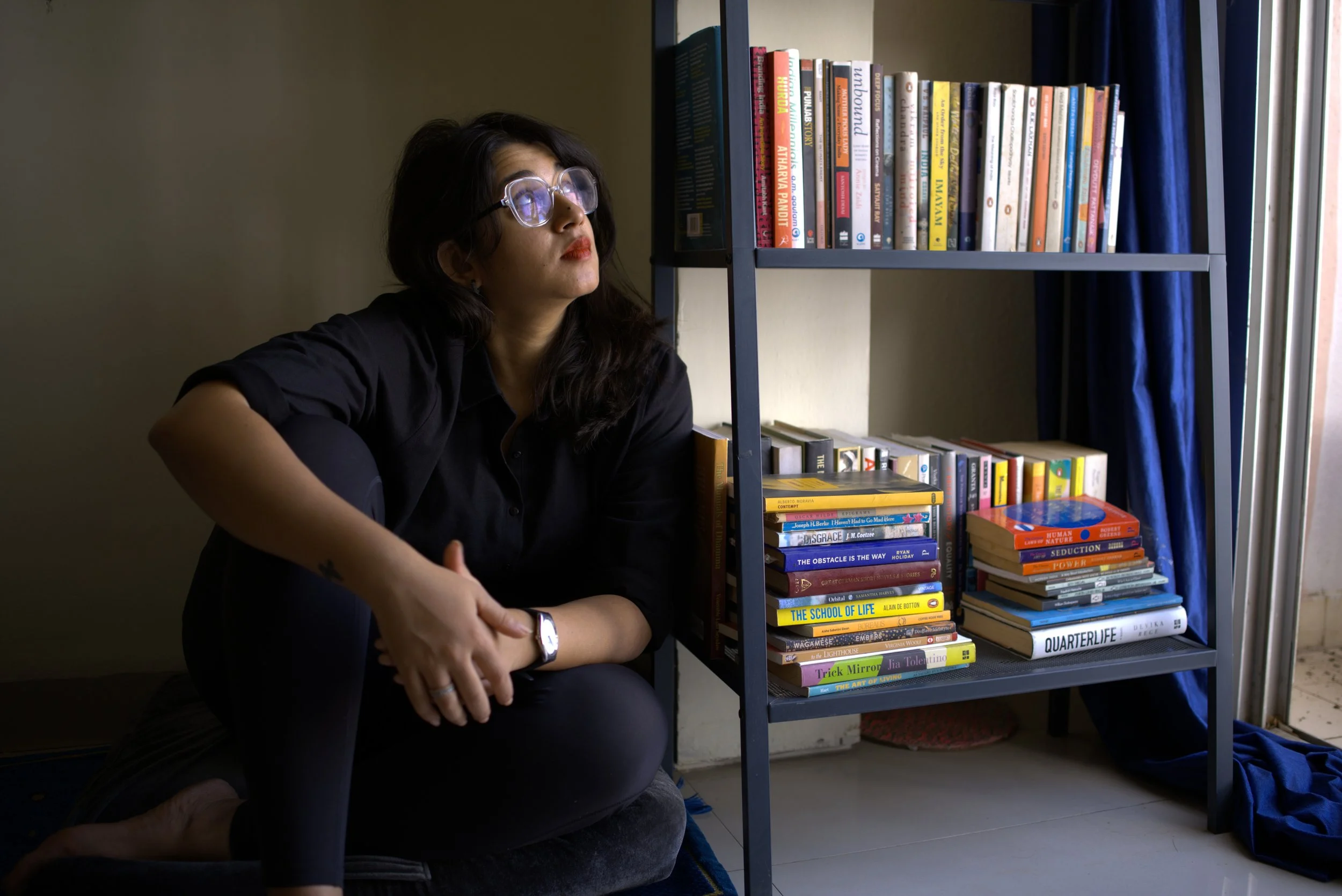
“Storytelling Saves My Life Every Day” – An Interview with Sanjana Ramachandran
Sanjana Ramachandran’s debut Famous Last Questions investigates the clash of the personal with the sociopolitical. The author speaks about masking and unmasking herself, finding comfort in contradictions, and the flawed institutions of marriage, relationships, and work. By Karan Madhok
Colonies of Resistance: Three Poems by Arya Gopi
Poems by Arya Gopi: ‘I carry my exile in my pocket— / seventeen reminders that buzz / like electronic prayers / to gods who’ve forgotten / how to synchronize.’
The Lunar Learning
Personal Essay: Who has access to knowledge? Ph.D. scholar Swathi Priya explores how multidisciplinary lenses of caste inclusion, neoliberal market, liberal ideology, mental health imperatives, and literature inform her larger research goals.
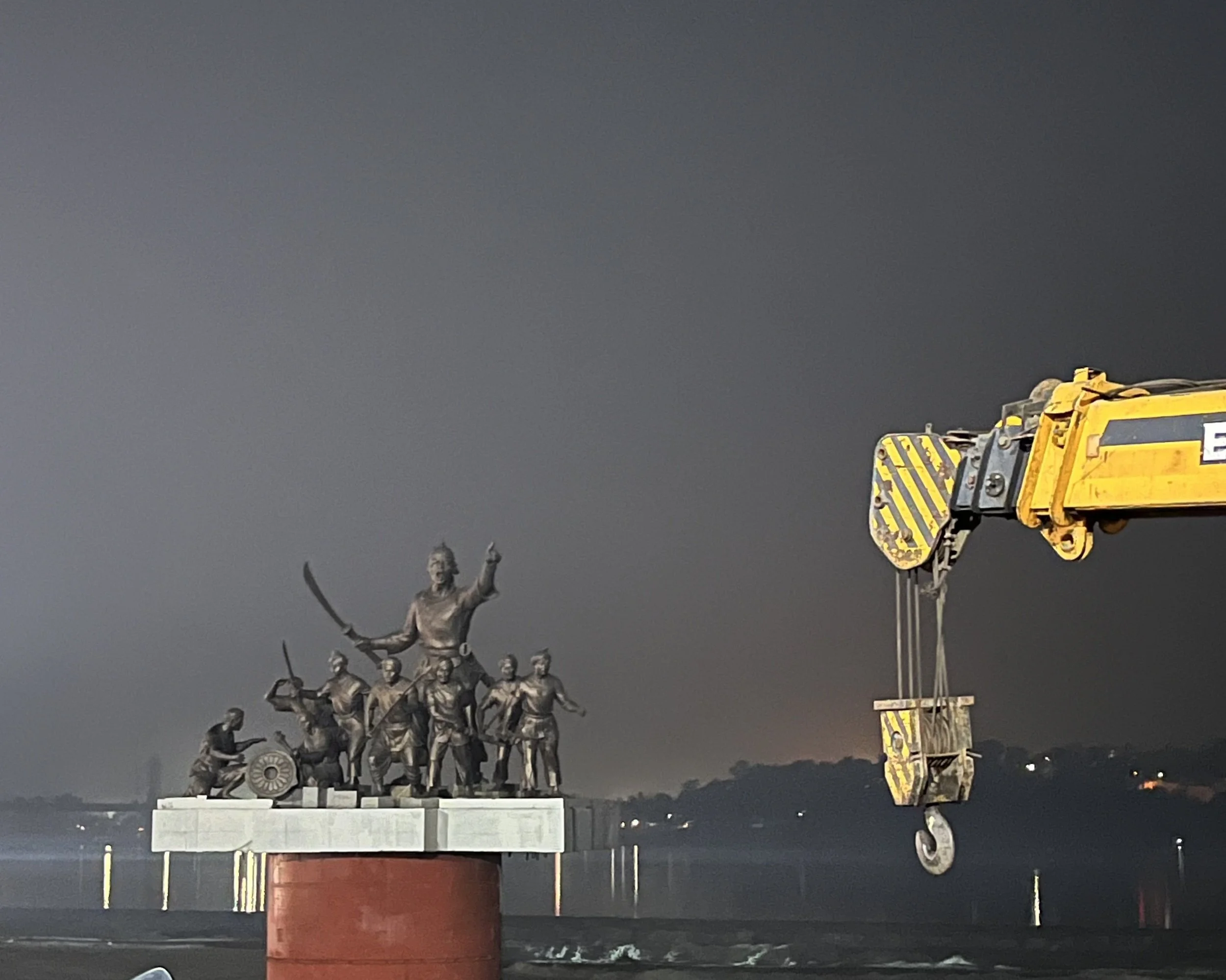
The City That Remains: Guwahati, and the Poetry it Inspires
Through memories, juxtapositions, and observations of the intricate, the poems about Guwahati in The Penguin Book of Poems on the Indian City (2025) portray a city that no longer exists, having metamorphosed into a new ‘synthetic’ space marred by politics and reckless urbanisation. By Ayaan Halder
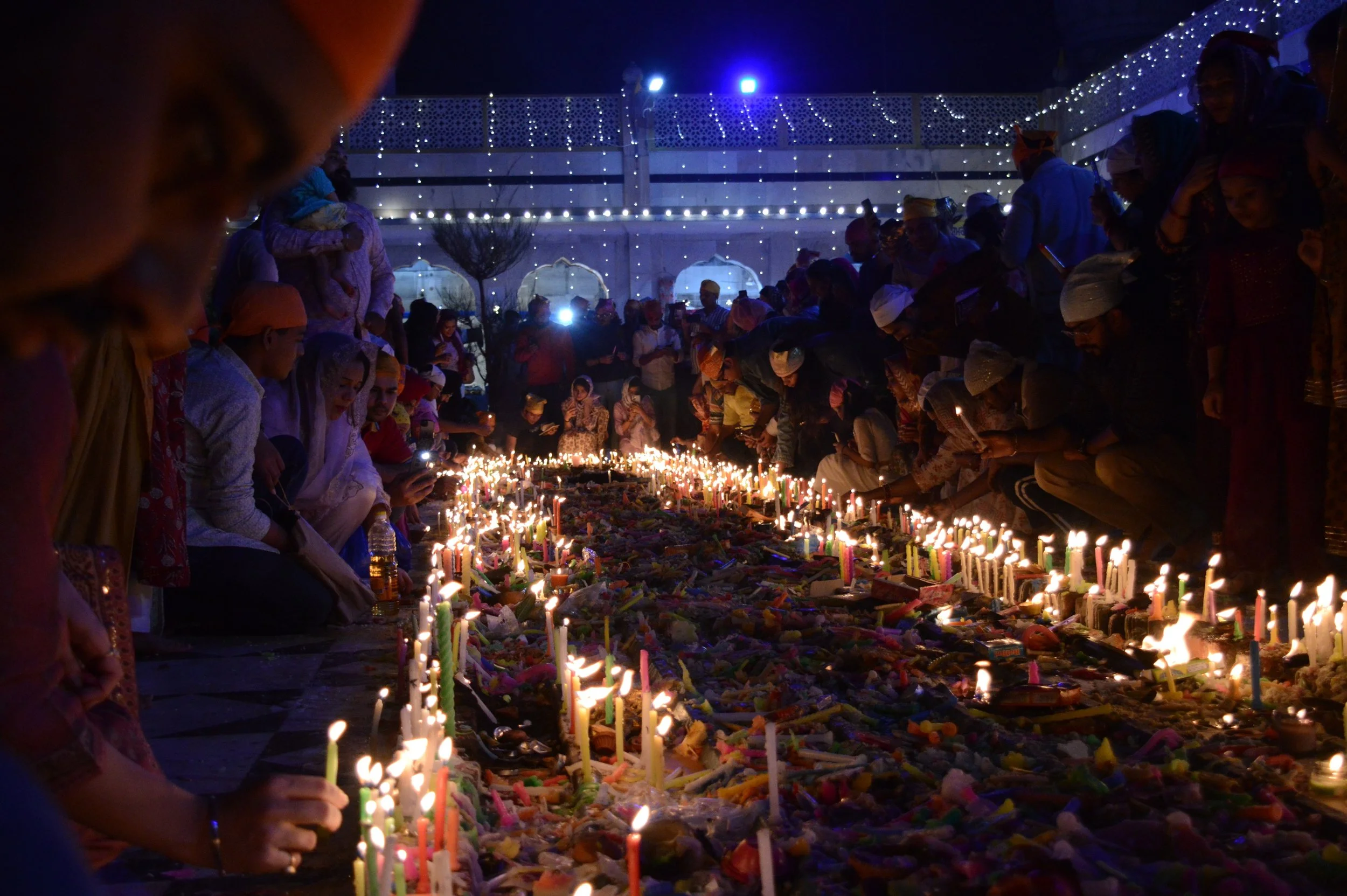
Beneath the Golden Dome: Gurpurab in the Capital
Photo Essay: From the historic lanes of Chandni Chowk to the healing sarovar of Bangla Sahib, devotees reaffirmed the timeless message of equality, service, and oneness of humanity on Guru Nanak’s birth anniversary. By Aditya Sharma and Sana Kauser
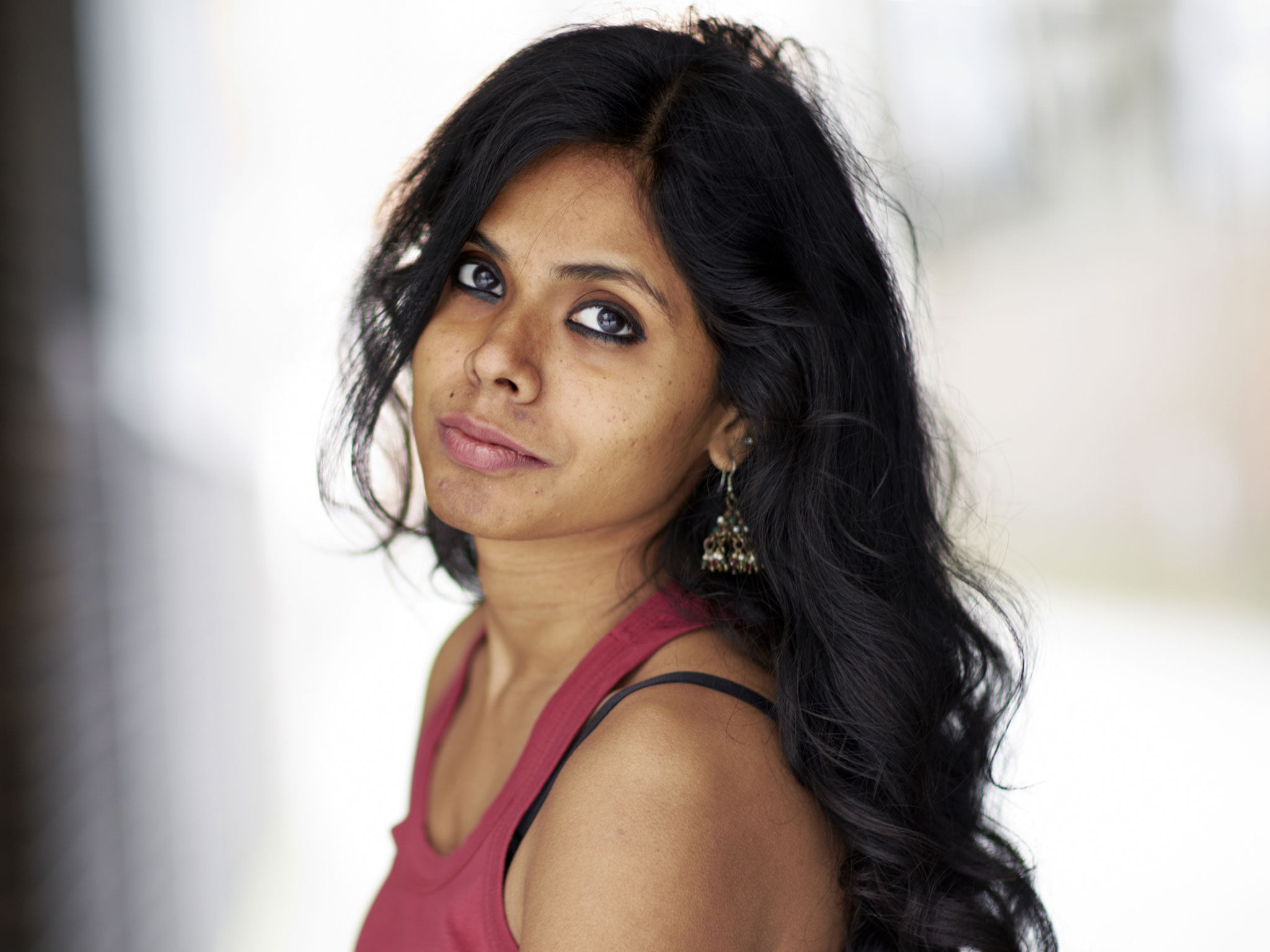
“Revolutionary literature requires revolutionary politics”: An Interview with Meena Kandasamy
Acclaimed author Meena Kandasamy discusses the uncompromising and unapologetic resolve in her writing, confronting violence with art, and why activism is a form of love. By Saurabh Sharma